Marlborough Wine Region Guide: Sauvignon Blanc, Cellar Doors & the Wine Trail
The region that changed how the world drinks white wine is a flat, sunny valley at the top of New Zealand's South Island — and it is small enough to taste properly in two or three days. Every fact below was checked against New Zealand's official tourism site, Wine Marlborough and the region's published history on 28 November 2026.
NZ's largest wine region30+ cellar doors3 subregionsFirst vines 1973
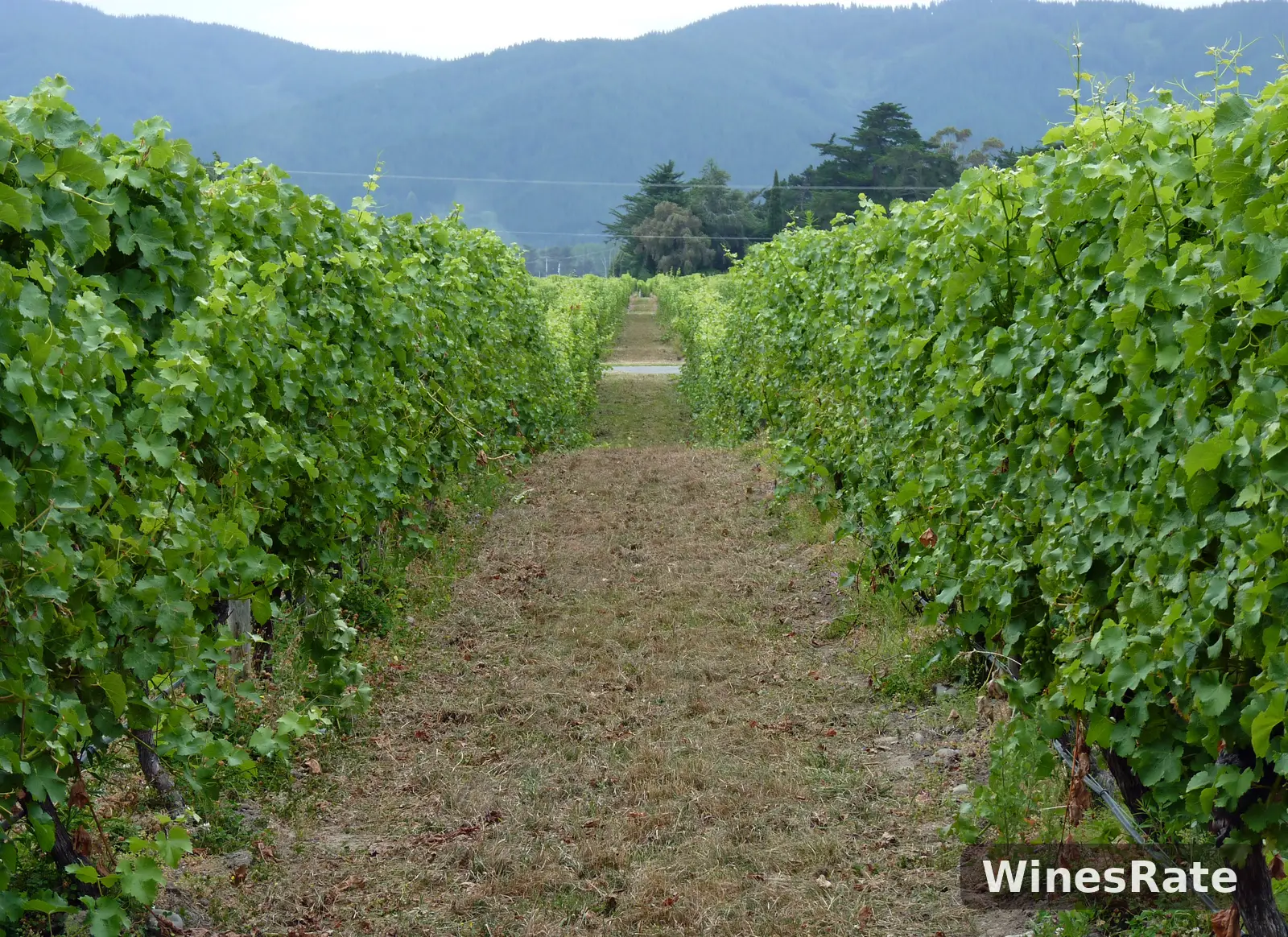
Photo: Cloudy Bay vineyard, Marlborough, by Matt Boulton — CC BY-SA 2.0, via Wikimedia Commons.
The short answer: can you taste Marlborough properly in a day?
Yes — but give it two days if you can. More than 30 cellar doors are concentrated around Blenheim and Renwick, most of them within a short drive or an easy bike ride of each other, and the official tourism advice is to allow at least half a day for a small selection of cellar doors, or a full day if you plan to include lunch at a vineyard restaurant. One day on the Wairau Valley floor gives you the classic Marlborough; a second day takes you into the Southern Valleys and the cooler Awatere Valley, where the same grape tastes different.
The wine to build the trip around is Sauvignon Blanc — the variety that made Marlborough world-famous — but the region is not a one-grape story. Pinot Noir, Chardonnay, Riesling and Pinot Gris all grow here, and the valley also makes serious traditional-method sparkling wine. Taste the Sauvignon Blanc first, then let the cellar-door staff talk you into the rest: the best Marlborough education is a Wairau and an Awatere Sauvignon Blanc poured side by side.
30+
cellar doors
around Blenheim
3
subregions
Wairau · Southern · Awatere
1973
first vines
Montana Wines plantings
380
km trail
Classic NZ Wine Trail
One honest limit: tasting fees are not published centrally — each cellar door sets its own, and opening days and hours vary by season, with a number of tasting rooms closing over winter. Visitor guides put a typical tasting at NZD 10–25 per person; check each winery's own site before you go, and book ahead in summer, at weekends and on public holidays.
The three subregions — and what each one tastes like
Marlborough is one region with three distinct personalities, each with its own soils and climate. Learn the three names and you can read a Marlborough label like a map.
Subregion
Where it is
Soils & climate
What it does best
Wairau Valley
The valley floor around Blenheim, between the Richmond Ranges and the Wither Hills
Free-draining alluvial gravels and river terraces; dry, sunny, with cool night sea breezes
The classic Marlborough Sauvignon Blanc — concentrated fruit, freshness and balance — plus Chardonnay and méthode traditionnelle sparkling
Southern Valleys
North–south tributary valleys climbing south into the Wither Hills
North-facing slopes with largely glacial loess soils
A greater range of wines, and the region's best Pinot Noir and aromatic varieties; home to Spy Valley and Saint Clair Estate
Awatere Valley
South-east of the Wither Hills, centred on Seddon, about a third of the growing area
Alluvial valley floor, cooler and windier, sheltered by the Wither Hills and the Inland Kaikōura Range
Leaner, more mineral Sauvignon Blanc and aromatic Pinot Noir; home to Yealands Estate on the coast
🍇 The tasting trick: order a Wairau and an Awatere Sauvignon Blanc side by side. The Wairau glass is the famous one — tropical, herbaceous, passionfruit-bright — while the Awatere glass is cooler and more mineral, with a saline edge. Same grape, same region, two valleys: that comparison is the fastest education in Marlborough, and cellar doors that make both styles, such as Clos Henri, Saint Clair and Dog Point, pour it happily.
Marlborough was registered as a Geographical Indication in 2018, and the same year several of its wineries formed Appellation Marlborough Wine, a certification that qualifying wines must be made entirely from sustainably grown Marlborough grapes, comply with annual cropping rates, and be bottled in New Zealand — with an independent tasting panel approving wines from the 2022 vintage. When you see the mark on a bottle, that is what it guarantees.
Why Marlborough changed white wine
Fifty years ago this valley grew sheep. Today it grows about 70% of New Zealand's vineyard area. The region's own published history explains how fast that happened.
1973 — the first vines
Early settlers planted vines as early as the 1870s, but commercial winemaking began only in 1973, when Montana Wines planted the first large-scale vineyards on the Wairau Plains. The free-draining alluvial soils and long, sunny growing season did the rest.
1985 — Cloudy Bay
In 1985 the Sauvignon Blanc from Cloudy Bay Vineyards finally won international attention and critical acclaim for New Zealand wine. Within a few years, Marlborough Sauvignon Blanc was being described by leading wine writers as arguably the best in the world.
Scale — three quarters of the country
In 2020 Marlborough accounted for about three quarters of New Zealand's wine production, 70% of its vineyard area and 85% of its wine exports, from 27,808 hectares of planted vines. It is by far the country's largest wine region — and still a valley you can cross in half an hour.
Sparkling — méthode traditionnelle
Marlborough also makes significant traditional-method sparkling wine from Chardonnay and Pinot Noir — enough to attract investment from Champagne houses including Mumm, Deutz, Moët & Chandon and Veuve Clicquot. Since 2013, Méthode Marlborough producers have set their own standard: traditional method, Marlborough-grown Pinot Noir, Chardonnay and Pinot Meunier, aged on lees for at least 18 months.
What to taste: a cellar-door plan
More than 30 cellar doors are open to visitors, most of them around Blenheim and Renwick. These four stops cover the region's range — and they are all named on New Zealand's official tourism pages.
Wairau ValleyThe icon
Cloudy Bay — where the story starts
The estate that put New Zealand Sauvignon Blanc on the world map in the 1980s, on Jacksons Road in the Wairau Valley. Taste the Sauvignon Blanc that made the name, then the oak-aged Te Koko and the traditional-method sparkling Pelorus — three wines that show how far one valley's signature grape can stretch. The cellar door sits in a garden setting; go early, when the tasting room is quietest.
Southern ValleysPinot Noir country
Saint Clair & Spy Valley — the family estates
The Southern Valleys are where Marlborough's reds and aromatics shine. Saint Clair Estate is a family-run winery whose cellar door, the official tourism site says, “couldn't be more inviting” — taste its Sauvignon Blanc alongside its Pinot Noir and aromatic whites. Nearby Spy Valley Wines has earned international attention for its range; its cellar door is the place to ask what the Southern Valleys' loess soils do to a wine.
Awatere ValleyCoastal & cool
Yealands — the windy coast
Drive south-east over the Wither Hills to the Awatere Valley, where the wind off the coast keeps the vines cool and the wines lean and mineral. Yealands Estate is the valley's coastal showpiece: walk the vineyard, learn about its sustainability work, and taste the Sauvignon Blanc that tastes nothing like the Wairau version you tried that morning. That contrast is the point of the drive.
Wairau ValleyOld vines, new styles
Framingham & Clos Henri — the connoisseurs' stops
Two smaller Wairau names the official tourism site singles out for memorable cellar-door experiences. Framingham Wines is known for aromatic whites and Riesling; Clos Henri makes both Wairau and Awatere wines, so it is one of the best places in the valley to taste the two subregions side by side in a single flight.
A two-day plan: bikes, the trail and a long lunch
The flat valley floor was made for cycling, and the official advice is to join a guided tour, cycle between selected wineries, or travel with a designated driver — never drink and drive.
Day 1Wairau by bike
Morning: the classic valley floor
Start in Blenheim, hire a bike, and ride the flat roads of the Wairau Valley: Cloudy Bay, then a smaller estate such as Framingham or Clos Henri for the aromatic whites. Stop for a long lunch at a vineyard restaurant — the official advice is to allow a full day if lunch is part of the plan — then ride on to one more cellar door before the afternoon tastings wind down.
Day 2South & east
Morning: Southern Valleys reds
Drive or take a guided tour into the Southern Valleys for Saint Clair and Spy Valley, tasting Pinot Noir and aromatic whites on the loess slopes. This is the day to ask about vintages and food matching — the cellar-door staff here pour wines that reward a slower conversation.
Day 2Afternoon
Afternoon: Awatere, then the coast road home
Cross the Wither Hills to the Awatere Valley for Yealands and the cooler, mineral style, then take the coast road back towards Blenheim. If you have a third day, spend it on the Classic New Zealand Wine Trail — a 380-kilometre self-guided route linking Hawke's Bay, Wairarapa and Marlborough via Wellington, with thirty cellar doors and tasting experiences in its Marlborough stretch alone.
Costs & getting there: practical answers
Everything below is from New Zealand's official tourism site and Wine Marlborough, with tasting-price guidance from visitor guides where the official pages publish none.
🎟 Costs & tasting rules
Tastings: visitor guides put a typical tasting at NZD 10–25 per person; fees and flights vary by winery and are not published centrally. Some cellar doors waive the fee with a purchase — check each winery's site.
Age: wine tasting is restricted to people aged 18 and over in New Zealand. Bring valid photo ID, and confirm whether children, non-tasters or large groups can be accommodated.
Booking: opening days and tasting arrangements vary by season. Check each winery's current hours and book ahead, particularly during summer, weekends and public holidays.
Winter: a number of tasting rooms close over winter, though most remain open for wine sales — check directly with the winery, as hours found in search results may not be up to date.
How long: allow at least half a day for a small selection of cellar doors, or a full day if you plan to include lunch at a vineyard restaurant.
📍 Getting there & around
Where: Marlborough sits at the north-eastern tip of New Zealand's South Island, around the town of Blenheim.
By air: fly into Blenheim (Marlborough Airport), the region's gateway, with connections from Wellington and other New Zealand cities.
By ferry: the Cook Strait ferry lands at Picton, about 30 minutes' drive from Blenheim — an easy start to a wine trip if you are crossing from the North Island.
Around the valley: most cellar doors are concentrated around Blenheim and Renwick. Join a guided wine tour, cycle between selected wineries, or travel with a designated driver. Do not drink and drive.
Staying: Blenheim is the natural base, with the most accommodation; Renwick sits in the heart of the Wairau Valley, surrounded by vineyards.
The questions readers ask about the Marlborough wine region, answered from the verified details above.
Where is Marlborough, and how do I get there?
Marlborough sits at the north-eastern tip of New Zealand's South Island, around the town of Blenheim. Fly into Blenheim (Marlborough Airport), or take the Cook Strait ferry to Picton, about 30 minutes' drive from Blenheim. Most cellar doors are concentrated around Blenheim and Renwick, so Blenheim is the natural base for a wine trip.
How many cellar doors are there, and do I need to book?
There are more than 30 cellar doors open to visitors. Opening days and tasting arrangements vary by season, and the official tourism site advises checking each winery's current hours and booking ahead, particularly during summer, weekends and public holidays. A number of tasting rooms close over winter, though most remain open for wine sales.
What is the difference between Wairau and Awatere Sauvignon Blanc?
The Wairau Valley style is the famous one — concentrated, tropical and herbaceous, grown on free-draining alluvial gravels in a dry, sunny valley. The Awatere Valley is cooler, drier and windier, and its Sauvignon Blanc is leaner and more mineral, with a saline edge. Tasting the two side by side is the best introduction to the region.
What else does Marlborough make besides Sauvignon Blanc?
Plenty. Pinot Noir is the growing red story, particularly from the Southern Valleys, alongside Chardonnay, Riesling and Pinot Gris. The region also makes significant traditional-method sparkling wine — Méthode Marlborough wines must be made from Marlborough-grown Pinot Noir, Chardonnay and Pinot Meunier and aged on lees for at least 18 months.
When is the best time to visit Marlborough?
The main season runs through the southern summer, November to April, when the cellar doors are all open and the valley is at its greenest. The grape harvest falls in late summer and autumn. Winter is quieter — and a number of tasting rooms close — so check hours directly with each winery if you travel between June and September.
Can I cycle between wineries in Marlborough?
Yes — the flat Wairau Valley floor is ideal for it. The official tourism advice is to join a guided wine tour, cycle between selected wineries, or travel with a designated driver. Bike hire is available in Blenheim, and the Marlborough Wine Trail map marks cellar doors and cycling routes. Do not drink and drive.
Sources & how this page was made
Checked on 28 November 2026 against the official sources below:
Tourism New Zealand — “Wineries in Marlborough” (newzealand.com/in/feature/wineries-in-marlborough): New Zealand's largest wine region, more than 30 cellar doors, the three subregions (Wairau Valley, Southern Valleys, Awatere Valley) and their character, Cloudy Bay, Framingham, Clos Henri, Spy Valley, Saint Clair Estate and Yealands Estate, the Classic New Zealand Wine Trail (380 km, thirty Marlborough cellar doors), getting around, booking advice, 18+ rule.
Wine Marlborough — “Cellar Doors & Tasting Rooms” (marlboroughwinenz.com/visit-us/cellar-doors, updated 7 October 2026): more than 30 cellar doors, winter closures, the Marlborough Wine Trail Map and walking/cycling smart map, Wine Marlborough office hours.
“Marlborough wine region” (en.wikipedia.org/wiki/Marlborough_wine_region, citing the New Zealand Winegrowers annual report): GI registered 2018, 27,808 hectares, about three quarters of national production, 70% of vineyard area, 85% of exports (2020); first commercial plantings 1973 by Montana Wines; Cloudy Bay 1985; Méthode Marlborough rules; Appellation Marlborough Wine certification.
WinesRate (winesrate.com): homepage, Journal, Regions and Market Reports pages — linked in “Keep planning” above and verified live on 26 November 2026.
The topic came from current social and trade conversation about the world's great wine regions to visit. This page is original WinesRate content: every word was written for WinesRate, all facts were re-verified from the sources above, and no text, image or video was copied from any post or creator. The only photograph used is the CC BY-SA 2.0 Wikimedia Commons image credited in the hero. WinesRate does not sell alcohol and publishes no ratings or scores.
This guide lives at winesrate.com/discover/marlborough-wine-region/ · Prepared 28 November 2026.