Spirits notebook
Whisky and the cask: what ageing can—and cannot—tell you
Wood, previous use and time all influence a spirit. Age alone is not a ranking.
WinesRate editorial · Published 2026-10-21 · Updated 2026-10-21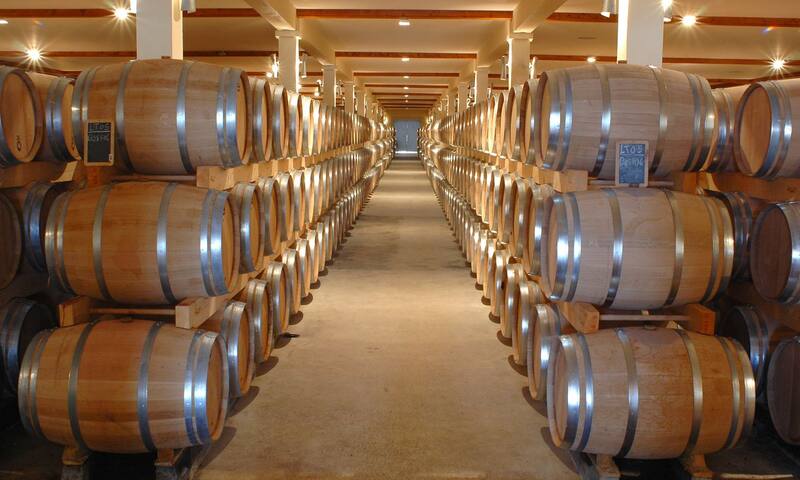
More than a number
Whisky develops through interaction with a cask and its environment. Wood type, previous contents and warehouse conditions matter alongside time. An older age statement does not automatically make a whisky better suited to your taste.
Read the category carefully
Scotch whisky must mature in oak casks in Scotland for at least three years. Other whisky categories have different rules. Read the bottle's actual category and producer information rather than transferring one country's requirements to another.
Taste deliberately
Try a small pour first, then add a little water if you wish and notice how the aroma changes. A cocktail is another valid way to enjoy whisky; the objective is balance, not a test of seriousness. This notebook is educational, not a measured popularity ranking.