Wine story
The second fermentation that makes Champagne sparkle
A bottle, yeast and time: understanding the work behind Champagne's bubbles.
WinesRate editorial · Published 2026-10-21 · Updated 2026-10-21
A still wine comes first
Champagne begins with the production of still base wines. Blending can bring together different vineyards, grape varieties and reserve wines. The bubbles arrive later; they are not simply a property of the grapes.
The bottle becomes part of the cellar
For the second fermentation, the producer adds a mixture containing sugar and yeast before bottling. The carbon dioxide produced during fermentation remains dissolved in the wine because the bottle is sealed. Ageing on the yeast sediment contributes to the wine's development.
What riddling and disgorgement do
Riddling gradually collects the sediment at the neck. Disgorgement removes it; a dosage may then adjust the final balance before the bottle receives its final closure. Brut and other sweetness terms describe a regulated category, not a guarantee that every wine tastes identical.
Take the story to the region
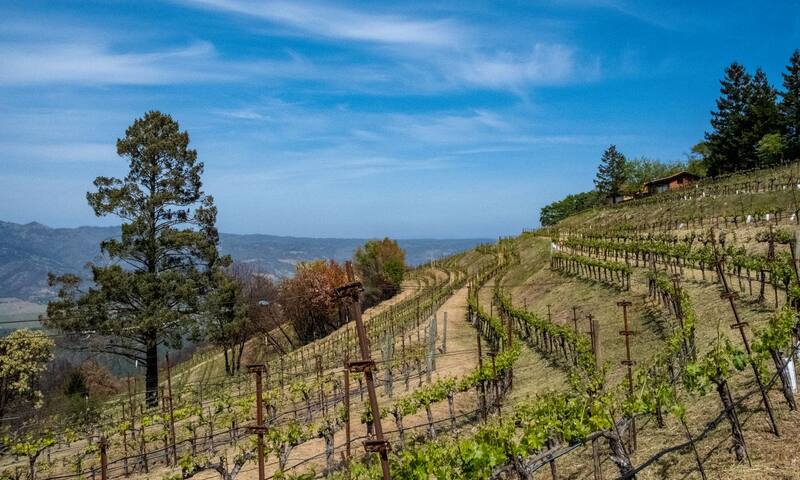
A cellar visit around Reims or Épernay can turn these steps into something tangible. Book with a producer, ask which production stages the tour actually covers, and allow time for the vineyard landscape as well as the underground cellars.